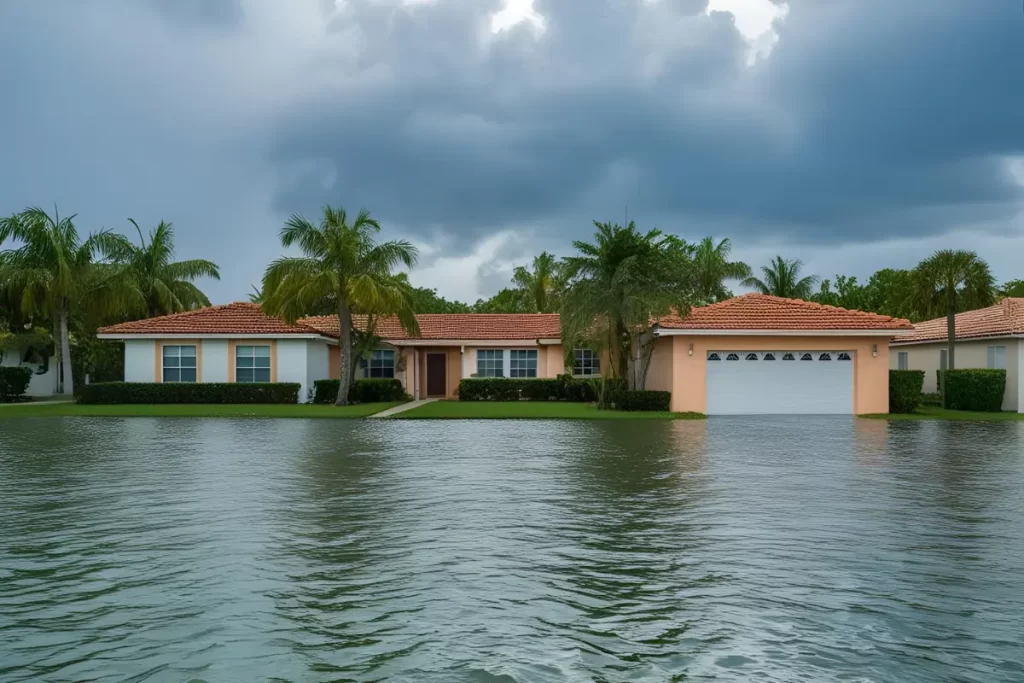
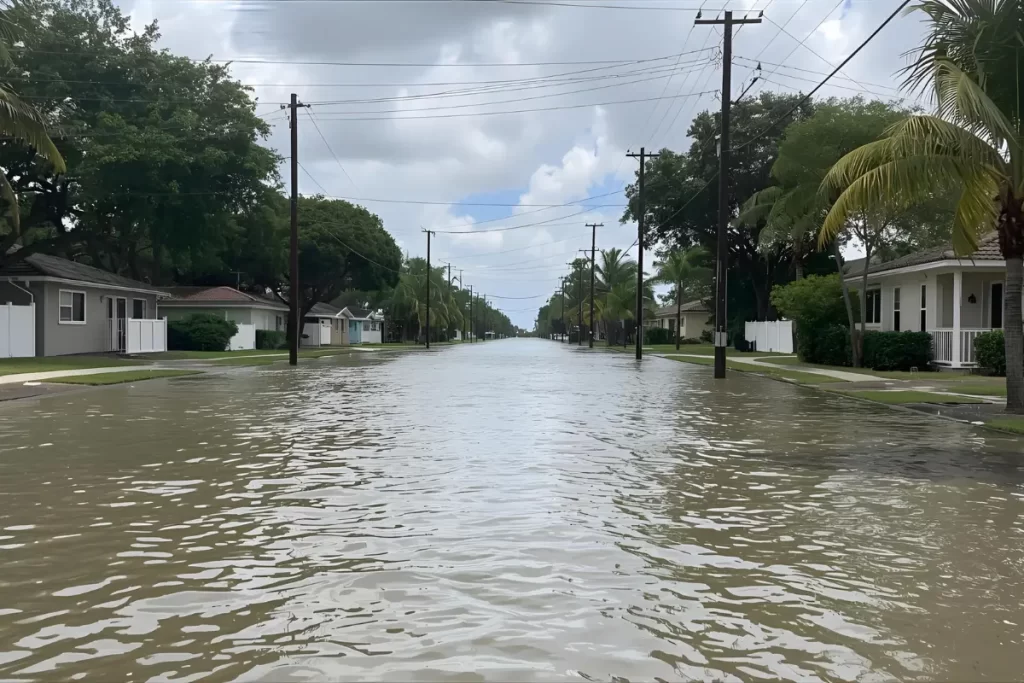
For homeowners in Hollywood and throughout Broward County, the phrase “hurricane season” brings with it a host of preparations. We secure our shutters, stock up on supplies, and ensure our wind and homeowners insurance policies are up to date. But for many, a crucial piece of the puzzle is missing: comprehensive flood insurance.
The common assumption is that if you need flood insurance, the National Flood Insurance Program (NFIP), backed by FEMA, is your only option. For decades, it was. However, a robust and competitive private flood insurance market has emerged, offering a compelling alternative that can provide higher limits, broader coverage, and a potentially faster claims process. At Finney Insurance Corporation, we are committed to helping our clients explore all their options to ensure their most valuable asset is fully protected against Florida’s number one weather-related threat.
The Problem with FEMA: A One-Size-Fits-All Approach
The NFIP has been a lifeline for millions of Americans, providing a standardized, federally-backed flood insurance policy to communities that participate in its program. It has been a reliable safety net, but its policies have significant limitations, especially for modern, high-value properties in South Florida.
- Limited Coverage Caps: The NFIP caps its coverage at $250,000 for the building and $100,000 for personal belongings. For many homes in Hollywood, where property values often exceed these limits, a FEMA policy can leave a substantial financial gap. A flood event causing $400,000 in damage to a home would leave the homeowner on the hook for the remaining $150,000 out of pocket.
- Depreciated Value: While NFIP policies for primary residences offer replacement cost coverage for the building, they only pay the actual cash value (ACV) for personal belongings. This means they factor in depreciation, so the check you get for your damaged couch or TV may be significantly less than what it costs to buy a new one.
- No Additional Living Expenses (ALE): If a flood makes your home uninhabitable, the NFIP policy does not cover the cost of a hotel, temporary housing, or meals. This can be a major financial blow on top of the costs of repairing your home.
- A Standardized, Slow Process: The NFIP claims process is often described as lengthy and cumbersome. The standardized, government-run nature of the program can lead to delays, which are the last thing you want when you’re trying to rebuild your life.
The Private Market Advantage: Broader Protection for a Modern Home
In recent years, advancements in flood modeling and risk analysis have made it possible for private insurance companies to offer their own flood policies. These policies are designed to overcome the limitations of the NFIP and provide more tailored, comprehensive protection.
- Higher Coverage Limits: This is perhaps the biggest advantage for homeowners in Hollywood. Private flood insurance carriers can offer significantly higher coverage limits, often reaching $500,000 or more for the building and up to $250,000 for contents—sometimes even higher, depending on the carrier. This ensures that your policy can truly cover the full cost of rebuilding your home and replacing your belongings.
- Shorter Waiting Periods: The NFIP requires a standard 30-day waiting period before a new policy goes into effect. This can be a major problem during hurricane season, when a sudden storm threat might prompt you to try to purchase coverage. While some private carriers may also have a waiting period, it is often much shorter, sometimes as little as 10-15 days, or even waived in certain circumstances, such as when closing on a new home or switching from an NFIP policy.
- Broader and More Flexible Coverage: Private flood insurance policies are not constrained by the same rules as the NFIP. This allows them to offer valuable additional coverages, including:
- Additional Living Expenses (ALE): Many private policies include this crucial coverage, paying for temporary housing and other related expenses if a flood displaces you.
- Replacement Cost for Contents: Some private carriers offer replacement cost coverage for your personal belongings, ensuring you receive the full amount needed to replace them, without depreciation.
- Coverage for Basements and Pools: Unlike the NFIP, some private policies can provide coverage for damage to basements, swimming pools, and even landscaping.
- Potentially Faster Claims Process: Private insurers have a profit motive to provide excellent customer service and a streamlined claims process. Many boast faster response times and more efficient claims resolution, which can make a world of difference when you’re facing the stress of flood damage.
The Numbers Tell the Story
According to the Insurance Information Institute, flood damage is excluded from standard homeowners and renters insurance policies. Despite the risk, many residents remain uninsured. A 2023 survey found that while 22% of homeowners believe they are at risk of a flood, a significant percentage of them have not purchased a flood policy. In Florida, where 35% of all NFIP policies are held, the private market is still relatively small but is the largest in the country. The number of private carriers writing flood insurance in Florida has grown dramatically, indicating a clear demand for more tailored, comprehensive coverage.
The data also shows that a significant number of flood claims—approximately 25%—occur in low-risk or moderate-risk areas, where flood insurance is not federally mandated. This is a critical reminder that “anywhere it rains, it can flood,” and even properties outside of a high-risk flood zone in Hollywood are susceptible to a major downpour.
FAQs About Flood Insurance
Do I need flood insurance if I don’t live in a high-risk flood zone?
Yes. Roughly 25% of all flood claims come from properties not located in high-risk zones. Factors like heavy rainfall, blocked storm drains, and a high water table can cause flooding anywhere in Broward County.
Is my homeowners insurance policy a substitute for flood insurance?
No, absolutely not. Standard homeowners and renters insurance policies explicitly exclude damage from floods. You must purchase a separate flood insurance policy to be protected.
How much does flood insurance cost?
The cost of flood insurance varies based on your property’s flood risk, location, elevation, and the amount of coverage you choose. While NFIP premiums are often standardized, private market premiums can vary based on the carrier and their specific risk models. As independent brokers, we can help you compare quotes from both the NFIP and private carriers to find the best value for your needs.
How do I get flood insurance?
Flood insurance is not sold directly by the federal government. You must purchase it through an insurance agent who is authorized to sell NFIP or private flood policies. Finney Insurance Corporation is authorized to do both, allowing us to provide you with all your options.
What are the biggest risks of not having flood insurance?
Without flood insurance, you are responsible for 100% of the costs to repair your home and replace your belongings. While federal disaster assistance is sometimes available, it typically comes in the form of a low-interest loan that you must repay, not a grant.
Finney Insurance: Your Flood Insurance Experts
In Hollywood, your home is a major investment. Don’t let a major hurricane or a surprise summer storm put it all at risk. While the NFIP provides a foundational level of protection, the private flood insurance market offers a compelling and often superior alternative for homeowners who demand more.
At Finney Insurance Corporation, we are committed to helping our clients navigate these complex decisions. We’ll assess your specific flood risk, compare coverage options and pricing from both the NFIP and private carriers, and find the right policy to give you peace of mind this hurricane season.
Contact Finney Insurance Corporation today for a personalized flood insurance consultation. Let us help you ensure that you’re fully prepared for whatever the weather may bring.