
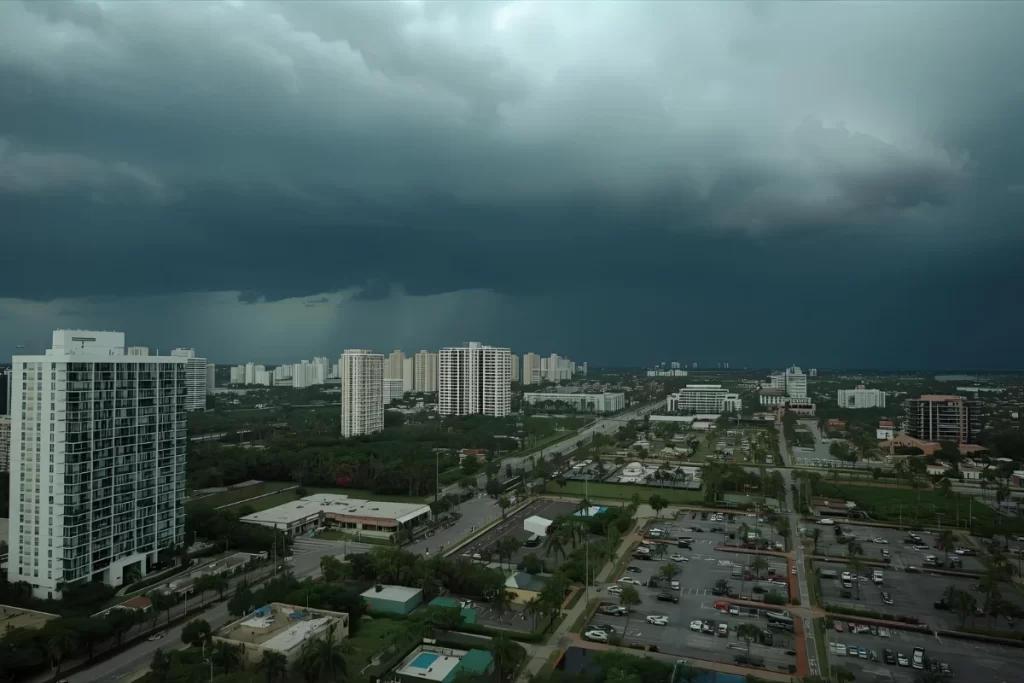
Summer in Hollywood and across Broward County is synonymous with sunshine, but it’s also a time of unpredictable and powerful thunderstorms. While a dramatic lightning show is often a brief spectacle, it’s a stark reminder of the potential for a power outage. From a few hours of inconvenience to multi-day blackouts after a tropical storm, a loss of power can disrupt your life and lead to significant out-of-pocket expenses.
At Finney Insurance Corporation, we know that preparing for these events is crucial. Beyond having a flashlight and extra batteries, a truly prepared homeowner understands how their home insurance policy can provide a financial safety net. As your local insurance brokers, we’re here to shed light on key coverages you might not know you have and offer crucial safety advice for when the lights go out.
The Hidden Costs of a Power Outage
A power outage is more than just a momentary inconvenience. It can lead to several costly problems that a standard homeowners insurance policy may or may not cover, depending on the cause of the outage.
- Food Spoilage: The most immediate concern for many families is the potential loss of hundreds of dollars in refrigerated and frozen food.
- Additional Living Expenses (ALE): If a storm-related power outage makes your home uninhabitable (e.g., due to a fallen tree on your roof), you may be forced to seek temporary lodging.
- Appliance and Electronics Damage: A power surge when the electricity returns can fry your expensive appliances and electronics, from your refrigerator to your smart TV.
- Property Damage: The cause of the outage itself can be destructive. For instance, a lightning strike on your home’s electrical system or a tree falling on your power lines can cause significant physical damage.
Your Insurance Policy: What’s Covered and What’s Not?
The key to a successful claim after a power outage lies in the cause of the outage. A standard homeowners policy typically covers damage caused by a “covered peril.” If the power outage is a result of a covered peril, some of your associated losses may be covered.
Food Spoilage Coverage
Many homeowners insurance policies offer a small amount of coverage for spoiled food, but this is often limited to a specific dollar amount, typically ranging from $500 to $2,500. However, for coverage to apply, the power outage must have been caused by a peril covered by your policy, such as:
- A lightning strike that hits your house and causes a power failure.
- A tree falling on your property and damaging the power lines.
- A fire in your home’s electrical system.
Crucially, most policies do not cover food spoilage caused by a widespread power outage from the utility company (like Florida Power & Light) due to a storm far away or a general system failure. To get coverage for that, you may need a specific endorsement, often called an “Equipment Breakdown” or “Utility Service Interruption” rider.
Additional Living Expenses (ALE)
Additional Living Expenses (ALE) coverage, also known as Loss of Use, is a standard part of most homeowners policies. It pays for increased expenses if you are temporarily unable to live in your home due to a covered loss.
- When it applies: ALE typically kicks in if the physical damage to your home from a storm (e.g., a tree falling on the roof) is so severe that it is uninhabitable. The power outage itself is not usually the trigger for this coverage unless it is a direct result of the covered damage on your property.
- What it covers: ALE can pay for hotel bills, restaurant meals, pet boarding, and other increased costs you incur while your home is being repaired.
Equipment Breakdown Coverage
This is a valuable endorsement that many homeowners add to their policies. It protects your expensive appliances and home systems from sudden and accidental breakdowns, including those caused by a power surge when electricity is restored. It often covers:
- Refrigerators and freezers
- Air conditioning and heating systems
- Water heaters and well pumps
- Washers, dryers, and computers
This endorsement can provide a much-needed safety net for equipment that is not covered by the standard policy, which typically excludes damage from electrical surges.
Generator Safety: Protect Your Home and Your Family
Many Hollywood residents turn to portable generators to keep their essential appliances running during a power outage. While generators are invaluable, improper use is extremely dangerous and can lead to a fire, electrocution, or deadly carbon monoxide poisoning. As your local insurance experts, we want to share these critical safety tips:
- Never Use a Generator Indoors: This is the most important rule. Never run a generator in your garage, basement, or any enclosed or partially-enclosed space. Carbon monoxide (CO) is an odorless, colorless gas that can be fatal in minutes. Keep the generator at least 20 feet away from your home’s windows and doors.
- Install a Carbon Monoxide Alarm: Make sure you have battery-operated or battery-backup carbon monoxide alarms on every level of your home and outside sleeping areas.
- Avoid Backfeeding: Do not plug a generator directly into a wall outlet in your home. This is known as “backfeeding,” and it can send electricity back onto the utility lines, potentially electrocuting utility workers. Only a qualified electrician using a transfer switch can safely connect a generator to your home’s electrical system.
- Keep it Dry: Generators and wet conditions are a dangerous mix. Operate your generator in a dry, covered area, like under a canopy, but ensure there is plenty of ventilation. Keep your hands dry when handling it.
- Refuel Safely: Always turn off the generator and let it cool down completely before refueling. Spilled gasoline on a hot engine can easily ignite.
FAQs About Power Outages and Insurance in Hollywood
Will my insurance cover my hotel room if FPL has a power outage that lasts for days?
No, not typically. Your Additional Living Expenses (ALE) coverage is triggered by physical, insurable damage to your home (e.g., a roof collapse, fire) that makes it uninhabitable. A power outage alone, even a prolonged one, is not usually considered a covered peril that makes your home uninhabitable.
Will my insurance cover my food if my power goes out from a storm?
It depends on the cause. If a tree falls on your property and severs your power lines, the spoilage would likely be covered, subject to your policy’s specific limit and deductible. However, if the power outage is due to a regional grid failure from a widespread storm and there is no physical damage to your home, the spoilage would typically not be covered without a specific endorsement.
How much do I get for food spoilage?
Most policies have a sub-limit for food spoilage, often around $500 to $2,500. You must also meet your policy’s deductible before the coverage kicks in. You should take photos of the spoiled food and keep any receipts to help with your claim.
Should I buy a generator?
A portable generator can be a lifesaver during a power outage, keeping a refrigerator, a few lights, and an air conditioner running. For Broward County residents, given our summer weather and the risk of hurricanes (June 1st to November 30th), a generator is an excellent preparedness tool. Just remember to always follow safety guidelines.
Finney Insurance: Your Partner in Preparedness
A Hollywood summer storm doesn’t have to be a source of anxiety. With the right insurance policy and a solid plan, you can face a power outage with confidence.
At Finney Insurance Corporation, we are committed to helping our clients in Broward County understand their coverage and prepare for the unexpected. We’ll review your current policy, help you identify any gaps in coverage for things like food spoilage or equipment breakdown, and provide peace of mind for the stormy seasons ahead.
Contact Finney Insurance Corporation today for a consultation. Let us help you ensure you’re fully protected, come rain or shine.