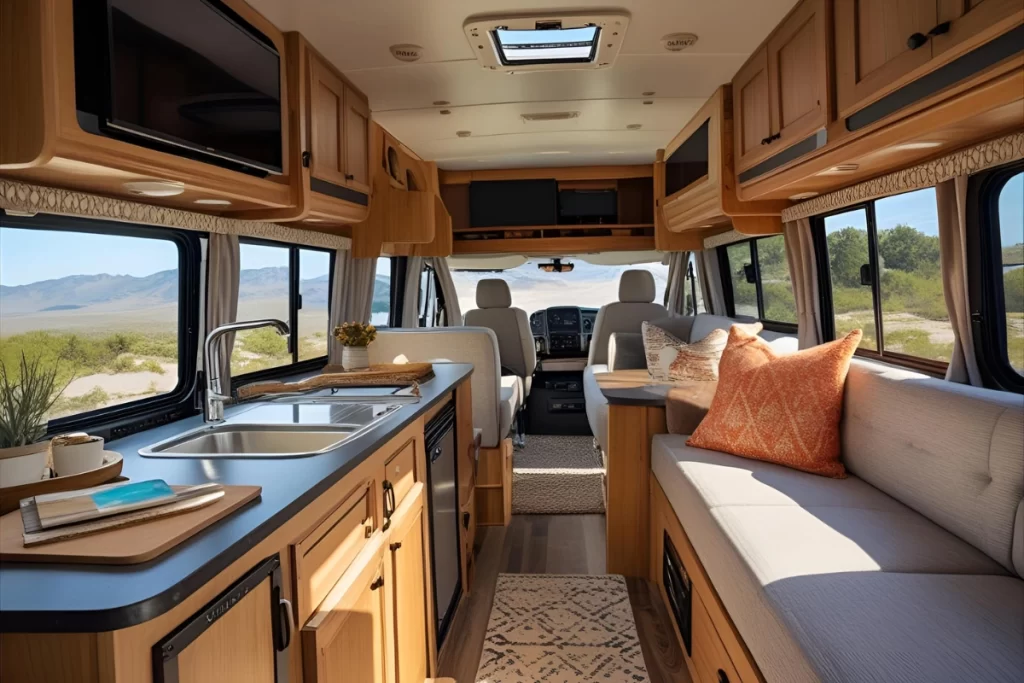
For many in Hollywood and throughout Broward County, the open road is more than just a path—it’s a destination. With an RV, you can escape the summer heat, explore national parks, or simply park at a beachfront campsite, all while taking the comforts of home with you. From the majestic Class A motorhomes to the versatile Class C models and towable travel trailers, these vehicles offer an unparalleled sense of adventure.
However, an RV is a significant investment and a complex asset. It’s a vehicle that can cause significant damage in an accident, a home that is vulnerable to theft and weather, and a personal space that holds all your belongings. The insurance needs of an RV are unique and far more extensive than those of a standard car. At Finney Insurance Corporation, we understand these complexities. As your local insurance brokers in Hollywood, we specialize in helping you navigate the world of RV insurance to ensure your home-on-wheels is fully protected for all your summer travels and beyond.
The Dangers of the Road: Why Standard Auto Insurance Isn’t Enough
A common mistake RV owners make is assuming their standard auto insurance policy provides adequate coverage. This is a critical misconception. While your auto policy might offer some limited liability coverage for a towed travel trailer, it is completely insufficient for a motorhome and does not address the “home” aspect of your RV.
Consider the data on RV accidents:
- Driver Inexperience & Error: RVs are larger and handle differently than cars, with more significant blind spots, longer braking distances, and a wider turn radius. These factors contribute to a significant portion of RV accidents, with operator error, such as improper lookout, being a leading cause.
- Common Accident Types: Statistics show that approximately 45% of RV accidents involve a rear-end collision, often due to misjudging the stopping distance required for a heavy vehicle. Rollover crashes also account for about 15% of all RV accidents.
- Peak Season Risks: The highest number of RV accidents occur during July and August, peaking on weekends. This is the very time many Broward County residents are embarking on their summer road trips, underscoring the heightened risk on the road. [Source: ZipDo.co]
Without a specialized RV policy, a single accident can expose you to catastrophic financial loss, as a standard auto policy will not cover the unique risks associated with your RV as a living space.
RV-Specific Coverages: Tailoring Protection for Your Lifestyle
Your RV insurance policy should be a custom-built fortress of protection. Here are the essential coverages to discuss with a Finney Insurance professional:
- Liability Coverage (Bodily Injury & Property Damage): This is the foundation of your policy. It’s legally required for all motorized RVs in Florida and covers the costs of damages or injuries you cause to others in an accident. However, the state-mandated minimums are often far too low to provide adequate protection, especially in a serious crash. We always recommend higher limits to shield your personal assets.
- Collision Coverage: This pays for damage to your own RV if it collides with another vehicle or object. Given the high repair costs and potential for a total loss in an RV accident, this coverage is non-negotiable for most owners.
- Comprehensive Coverage: This is your all-in-one protection against non-collision incidents. This is especially vital in Florida, where comprehensive coverage protects against:
- Named Storms: Damage from hurricanes and tropical storms (a critical add-on in Broward County during hurricane season).
- Theft and Vandalism: A concern whether your RV is parked at a remote campsite or in a storage facility.
- Fire: A risk in any vehicle, especially one with a kitchen and living space.
- Collision with an Animal: A common hazard on long road trips.
- Full-Timer’s Coverage: If your RV is your primary residence—or if you live in it for more than six months out of the year—you need specialized “full-timer’s” insurance. This policy is designed to function more like a homeowner’s policy, providing essential protection beyond what a standard RV policy offers:
- Personal Liability: This protects you from lawsuits if someone is injured in or around your stationary RV.
- Personal Effects Coverage: This covers the contents of your RV, such as clothing, electronics, and other personal belongings, which a standard auto policy would never cover.
- Loss Assessment: If you live in an RV park with an association, this covers fees charged to all residents to repair common areas damaged by a covered event.
- Emergency Expense Coverage: Imagine your RV breaks down far from home due to a covered loss. This coverage can pay for temporary lodging, transportation, and meal expenses while your RV is being repaired, saving you from a significant out-of-pocket financial burden.
- Roadside Assistance: An RV breakdown is not like a car breakdown. A tow truck for a large motorhome is expensive and requires a specialized service. A good RV insurance policy with a roadside assistance endorsement provides peace of mind, offering 24/7 help for tows, flat tires, jump starts, and more.
RV Adventures from Hollywood: A Checklist for Insured Travel
Before you hit the road for your next summer adventure, use this checklist to ensure you’re fully prepared:
- Review Your Policy: Is your current policy up to date? Does it include coverage for the specific risks you face on your trip, such as theft, collision, and storm damage?
- Update Your Inventory: If you’re a full-timer or travel with valuable personal belongings, ensure your personal effects coverage limits are sufficient.
- Check Your Roadside Assistance: Confirm that your policy’s roadside assistance is a specialized RV program and not a standard auto plan. Verify the towing limits and coverage for a large vehicle.
- Document Everything: Before and after your trip, take photos of your RV’s condition, especially its interior and any custom features. In the event of a claim, this documentation can be invaluable.
FAQs About RV Insurance in Broward County
Do I need a special driver’s license to operate an RV in Florida?
In Florida, a standard Class E driver’s license is sufficient to operate most RVs, including motorhomes, as long as they weigh under 26,001 pounds. For larger or heavier RVs, a Commercial Driver’s License (CDL) may be required.
Is RV insurance mandatory in Florida?
Yes, for motorized RVs. Florida requires motorized RVs to have the same minimum coverage as any other motor vehicle: Personal Injury Protection (PIP) and Property Damage Liability (PDL). However, as an insurance broker, we strongly advise carrying higher limits and additional coverages like Collision and Comprehensive for proper protection. For towable RVs (travel trailers, fifth wheels), separate insurance is not legally mandated, as they are typically covered by the liability of the towing vehicle. However, a separate policy is highly recommended to protect against physical damage, theft, and to provide “full-timer” coverage.
Does my auto insurance cover my travel trailer?
Your auto policy’s liability coverage will typically extend to your travel trailer while it’s being towed. However, it will not cover any physical damage to the trailer itself, its contents, or provide any liability coverage for incidents that occur while it is unhitched and parked. A separate policy is necessary for that protection.
Is hurricane damage covered by RV insurance in Florida?
It depends. To be protected from hurricane damage, your policy must include comprehensive coverage. Even then, many Florida policies will have a separate, and often higher, “named-storm” deductible. We will help you understand these details to ensure you are adequately prepared for our local weather risks.
What are the key differences between full-timer and part-timer RV insurance?
Full-timer insurance is designed for those who use their RV as a primary residence for six months or more. It includes coverages similar to a homeowner’s policy, such as personal liability (for incidents while the RV is parked) and personal belongings coverage, which are typically absent from a standard RV policy designed for recreational use.
Finney Insurance: Your Partner in Adventure
Your RV represents an investment in freedom and adventure. Don’t let a lack of proper insurance put that at risk. At Finney Insurance Corporation, we are passionate about helping our Hollywood and Broward County neighbors protect their most valuable assets.
We’ll work with you to find a specialized RV insurance policy that covers all your needs, from collision and comprehensive to full-timer options and reliable roadside assistance. Contact Finney Insurance Corporation today for a personalized consultation. With the right coverage, you can focus on the road ahead and the memories you’ll make, knowing your home-on-wheels is safe and sound.