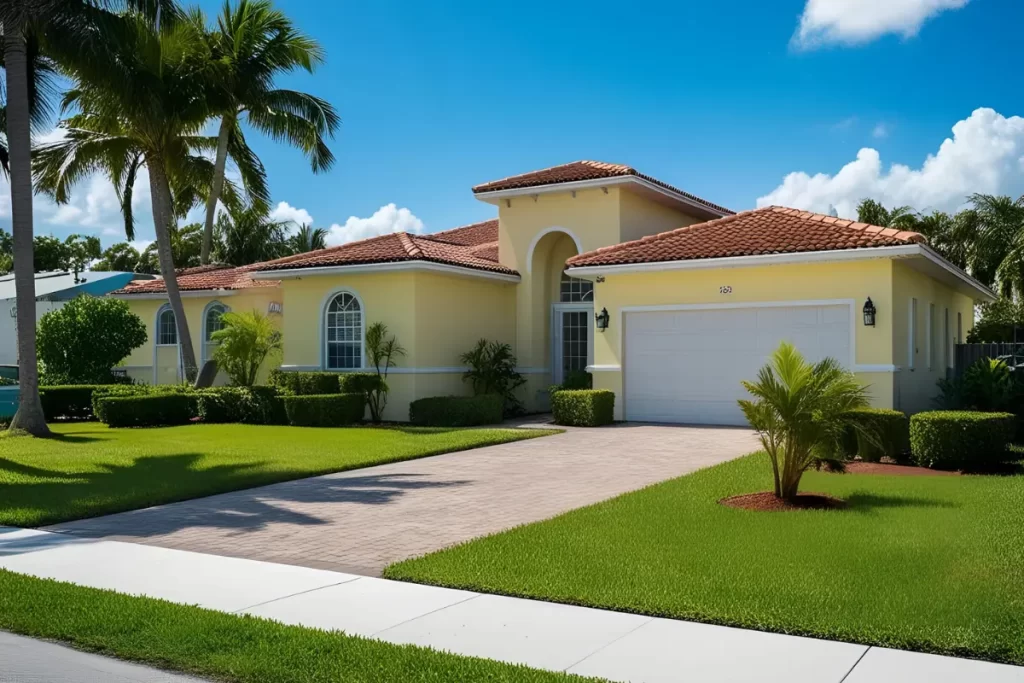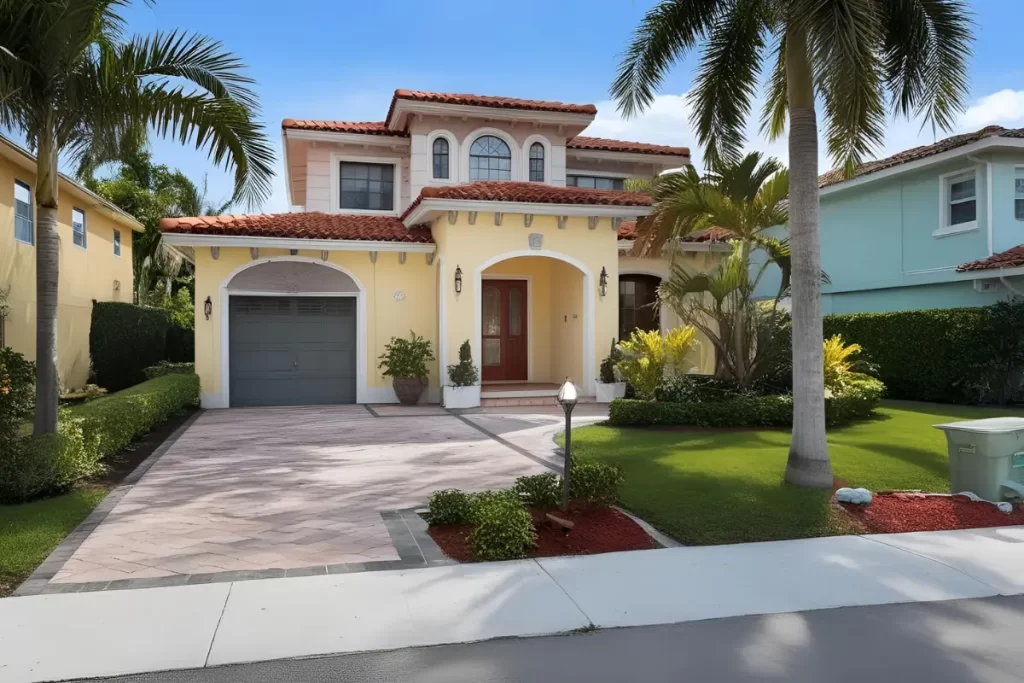
Living in Hollywood, Florida, means enjoying the beautiful Atlantic breeze. However, that same breeze can turn into a powerful hurricane during the summer months. As we enjoy the dry, sunny weather of January and February, many local homeowners are looking at their home insurance renewal notices and wondering how to lower those high costs. One of the best ways to do this is through a wind mitigation inspection.
- Key Takeaways: Wind Mitigation Savings
- What Exactly Is a Wind Mitigation Inspection?
- How Much Money Can I Really Save on My Insurance Policy?
- Why Is January or February the Best Time to Schedule This?
- What Specific Parts of My Home Does the Inspector Check?
- Does the Shape of My Roof Affect My Insurance Premium?
- What Is "Opening Protection" and Why Is It the Biggest Discount?
- Does My Home Automatically Qualify if It Was Built Recently?
- What Happens if My Home Fails Part of the Inspection?
- How Do I Turn an Inspection Report into Actual Savings?
- Frequently Asked Questions About Wind Mitigation
- Conclusion: Is Your Home Ready for the Next Big Storm?
Key Takeaways: Wind Mitigation Savings
- Significant Potential Savings: A wind mitigation inspection is the most effective way to lower your premium. Homeowners often save 10% to 45% on the wind portion of their bill, which can total hundreds of dollars a year.
- Mandatory Discounts: Under Florida law, insurance companies must give you credits if your home has specific wind-resistant features. They cannot deny these discounts if you provide a valid OIR-B1-1802 report.
- The “Hip Roof” Advantage: The shape of your roof matters. Hip roofs (sloped on all four sides) get much better discounts than gable roofs because they are more aerodynamic and resist “wind uplift” better.
- 100% Opening Protection: To get the largest possible credit, every single opening in your home—including the garage door, skylights, and small side windows—must be protected by impact glass or hurricane shutters.
- Dry Season is Best: January and February are the best times to schedule an inspection. The dry weather makes it safer for inspectors to check your attic, and they are generally less busy than they will be right before June 1st.
- Check the “Nails and Straps”: A major part of the inspection is verifying how your roof is attached. Having hurricane straps instead of just nails, and using longer ring-shank nails, can significantly “harden” your home and lower your rates.
- Valid for Five Years: Once you get a wind mitigation report, it is typically good for five years. It is a small one-time investment ($100–$200) that pays for itself many times over through annual savings.
- Newer Isn’t Always “Automatic”: Even if your home was built after the 1994 or 2001 code changes, you still need a formal inspection report to document the specific features for your insurance company to apply the maximum credits.
What Exactly Is a Wind Mitigation Inspection?
A wind mitigation inspection is a specialized home checkup that looks at how well your house can stand up to strong hurricane winds. A licensed inspector will check your roof, windows, and doors to see if they have specific safety features. This report proves to your insurance company that your home is “hardened” against storms, which triggers mandatory discounts on your homeowners insurance policy.
This inspection is different from a regular home inspection you get when buying a house. It uses a specific Florida state form called the OIR-B1-1802. The goal is to identify features that prevent “wind uplift,” which is when the wind tries to pull your roof off the walls, or “pressurization,” which happens when a window breaks and wind rushes inside. According to the Florida Office of Insurance Regulation (OIR), insurers are legally required to give you credits for these safety features (Source: FLOIR).
How Much Money Can I Really Save on My Insurance Policy?
By submitting a passing wind mitigation report, the average Florida homeowner can save between 10% and 45% on the windstorm portion of their insurance premium. In some cases, especially for older homes that have been recently upgraded with a new roof or impact windows, these savings can reach as high as $600 or more every year.
In Hollywood and across Broward County, the “wind portion” of your bill is often the most expensive part. Statistics from the Florida Division of Emergency Management show that wind-damage risk can account for 15% to 70% of your total premium (Source: People’s Trust).
Hypothetical Example: Imagine a homeowner named Mike who lives near Young Circle. His annual insurance is $5,000. After a $150 wind mitigation inspection, the report shows he has hurricane straps and a hip-shaped roof. His insurance company applies a 30% discount to his wind coverage, lowering his bill to $4,100. Mike saves $900 in the first year alone, meaning the inspection paid for itself six times over!
Why Is January or February the Best Time to Schedule This?
January and February are the ideal months for a wind mitigation inspection because the dry weather makes attic and roof access safer and easier for inspectors. Additionally, these months are considered the “calm before the storm,” meaning inspectors are less busy than they will be in May or June when everyone else starts worrying about hurricane season.
Scheduling your inspection now gives you a “head start” on the 2026 hurricane season, which begins on June 1. If the inspector finds that your home needs a small upgrade—like adding more nails to your roof or installing a few more hurricane clips—you have several months of dry weather to hire a contractor and get the work done. In Florida, roofing contractors are much easier to book in the winter than in the sweltering heat of the summer or after a major storm.
What Specific Parts of My Home Does the Inspector Check?
The inspector looks at seven key areas: the roof’s age, the roof covering, how the roof is attached to the deck, how the roof is attached to the walls, the roof’s shape, the secondary water barrier, and opening protection. Each of these categories can earn you a separate discount on your insurance policy if they meet the current Florida Building Code.
Let’s break down these technical terms into simple ideas:
1. Roof Covering
The inspector checks what your roof is made of (shingles, tile, or metal) and when it was installed. In Hollywood, roofs installed after 2001 (or 1994 in Broward/Miami-Dade) often get a “Building Code” discount because the rules for how roofs are built became much stricter after Hurricane Andrew.
2. Roof Deck Attachment
This is all about the nails. The inspector wants to see “ring-shank” nails that are at least 2.5 inches long and spaced 6 inches apart. These nails have little ridges that act like a screw, making it much harder for the wind to rip the plywood off your roof.
3. Roof-to-Wall Connection
This is one of the most important safety features. The inspector crawls into your attic to see if your roof is held down by “straps” or “clips” made of galvanized steel.
- Clips: Small metal plates that wrap over the wood.
- Single Straps: Metal bands that wrap over the truss and are nailed to the wall.
- Toenails: (Bad news!) This is when the roof is just nailed straight down into the wall. This usually gets zero discount and is a high risk for wind damage.
4. Secondary Water Resistance (SWR)
Think of this as a giant sticker that covers your entire roof deck before the shingles go on. If your shingles blow off during a storm, this sticky membrane keeps the water out of your house.
Does the Shape of My Roof Affect My Insurance Premium?
Yes, the shape of your roof plays a huge role in your insurance costs because “hip roofs” are much better at deflecting wind than “gable roofs.” A hip roof slopes down on all four sides like a pyramid. This shape is more aerodynamic, meaning the wind flows over it easily instead of pushing against it.
[Image comparing a hip roof vs. a gable roof]
If you have a hip roof, you can qualify for a significant discount. A gable roof, which has a flat, vertical end that looks like an “A,” acts like a sail on a boat. It catches the wind and creates a lot of pressure, which makes it more likely to fail in a hurricane. According to insurance studies, homes with hip roofs are much less likely to lose their entire roof structure in a Category 3 storm.
What Is “Opening Protection” and Why Is It the Biggest Discount?
Opening protection refers to having hurricane shutters or impact-rated glass on every single window and door in your home. This is usually the largest discount you can receive because it prevents the “balloon effect,” where a broken window allows wind to enter and push the roof off from the inside.
To get the full “A1” credit on your wind mitigation form, every single opening must be protected. This includes:
- All windows.
- Glass sliding doors.
- Skylights.
- The garage door.
- Sidelights (the tiny windows next to your front door).
If you have impact windows on 9 out of 10 windows, but leave one unprotected, you may lose the largest part of the discount. This is why many Hollywood residents use the dry season to install that last set of shutters or upgrade their old garage door to a wind-rated model.
Does My Home Automatically Qualify if It Was Built Recently?
Homes built in Broward County after 1994 or 2001 are built to higher standards, but they still need a wind mitigation inspection to get the best discounts. While your insurance company might give you a small “new home” credit, they don’t know exactly which nails or clips were used until a licensed inspector documents them with photos.
[Image showing a comparison of home construction standards before and after 2002]
Even if your home is brand new, a wind mitigation report is valid for five years. It is a small investment that ensures you are getting every single penny of savings you deserve. If you bought a home built in 2015 and never turned in a report, you could be leaving thousands of dollars on the table over the next few years.
What Happens if My Home Fails Part of the Inspection?
You cannot “fail” a wind mitigation inspection in the traditional sense; the report simply tells the insurance company what features your home currently has. If the report shows your home doesn’t have hurricane straps, your insurance price won’t necessarily go up—you just won’t get the discount for that specific feature.
If your report shows room for improvement, you can use that information to make your home safer.
- Hypothetical Example: A homeowner finds out they only have “toenails” holding their roof down. They hire a company to do a “Third Nail Retrofit,” which adds more nails and straps. After the work is done, they get a new inspection and send it to Finney Insurance. Their premium drops immediately, and their home is much safer for the next hurricane season.
How Do I Turn an Inspection Report into Actual Savings?
To turn your report into savings, you must send the completed OIR-B1-1802 form to your insurance agent at Finney Insurance. Once we receive the report, we submit it to the insurance carrier. They will review the findings and apply the discounts to your policy, often resulting in a refund check or a lower bill at your next renewal.
It is important to remember that these discounts are mandatory in Florida. State Statute 627.0629 requires insurance companies to offer these credits to consumers who “harden” their homes (Source: Online Sunshine). You don’t have to “beg” for the savings; you just have to provide the proof.
Frequently Asked Questions About Wind Mitigation
How much does a wind mitigation inspection cost in Hollywood, FL?
On average, you will pay between $100 and $200. If you combine it with a “4-Point Inspection” (which looks at your plumbing, electric, and HVAC), you can often get a bundled discount.
Do I need a new inspection if I got a new roof last year?
Yes! A new roof is one of the best ways to get a big discount. The inspector needs to document the brand-new materials and the “secondary water barrier” to make sure you get the maximum credit.
Are the discounts permanent?
Most insurance companies require a new inspection report every five years. This ensures the home still meets safety standards and that the features are still in good shape.
Can a wind mitigation inspection make my insurance go up?
No. The inspection is only used to apply discounts. It is not used to find “problems” that would raise your rates, like a 4-point inspection might.
What if I have hurricane shutters but don’t use them?
As long as you have the shutters and they are in good working order, you get the discount. You don’t have to have them closed during the inspection.
Conclusion: Is Your Home Ready for the Next Big Storm?
Taking the time to get a wind mitigation inspection in January or February is one of the smartest things a Hollywood homeowner can do. It doesn’t just put money back in your pocket; it gives you peace of mind knowing your home is ready for the 2026 hurricane season. By identifying the strengths and weaknesses of your roof and windows now, you can make informed decisions about your home maintenance before the summer humidity and storm threats arrive.
Ready to start saving on your insurance renewal? Don’t wait until hurricane season starts! Contact Finney Insurance in Hollywood, FL today. Our team of local experts can help you find a trusted licensed inspector and review your policy to ensure every possible wind mitigation discount is applied. Call us or visit our website for a free coverage review and let us help you lower your 2026 insurance bills!